ALASCA GEO
Optical Feeder Link with a Geostationary satellite
2026
Project specifications
Main Scope
Adaptive Deformable Quaternary Mirror
Developed by
AdOptica (Microgate + ADS International) Support INAF-Osservatorio Astrofisico di Arcetri
Project completion
2026
Communication laser wavelength
1064 nm
Laser Guide Star source
70W+ 589 nm laser
Adaptive optics architecture
Laser Guide Star Adaptive Optics (LGS-AO)
Wavefront sensing
Shack-Hartmann Wavefront Sensor (SH WFS) for visible, Pyramid Wavefront Sensor (Pyr WFS) for visible and near infrared
System design
Modular and flexible platform for testing multiple optical communication technologies
Structure Size


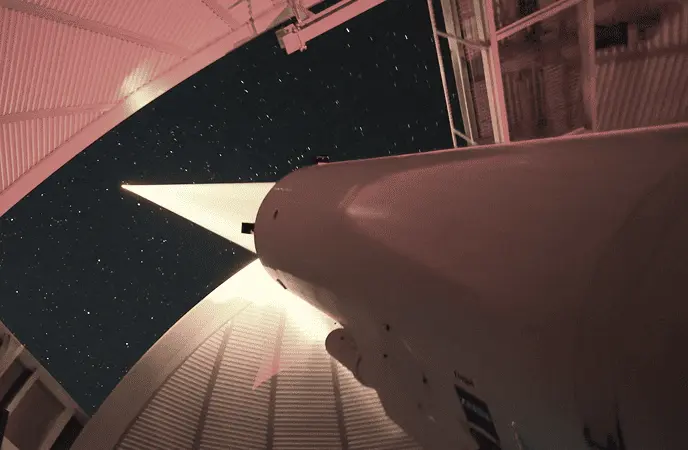
ESA Optical Ground Station, Tenerife

ESA
ALASCA GEO
Optical Feeder Link with a Geostationary satellite
Status:
On-site commissioning
Lorem ipsum dolor sit amet, consectetur adipiscing elit, sed do eiusmod tempor incididunt ut labore et dolore magna aliqua. Lorem ipsum dolor sit amet, consectetur adipiscing elit, sed do eiusmod tempor incididunt ut labore et dolore magna aliqua.
Description
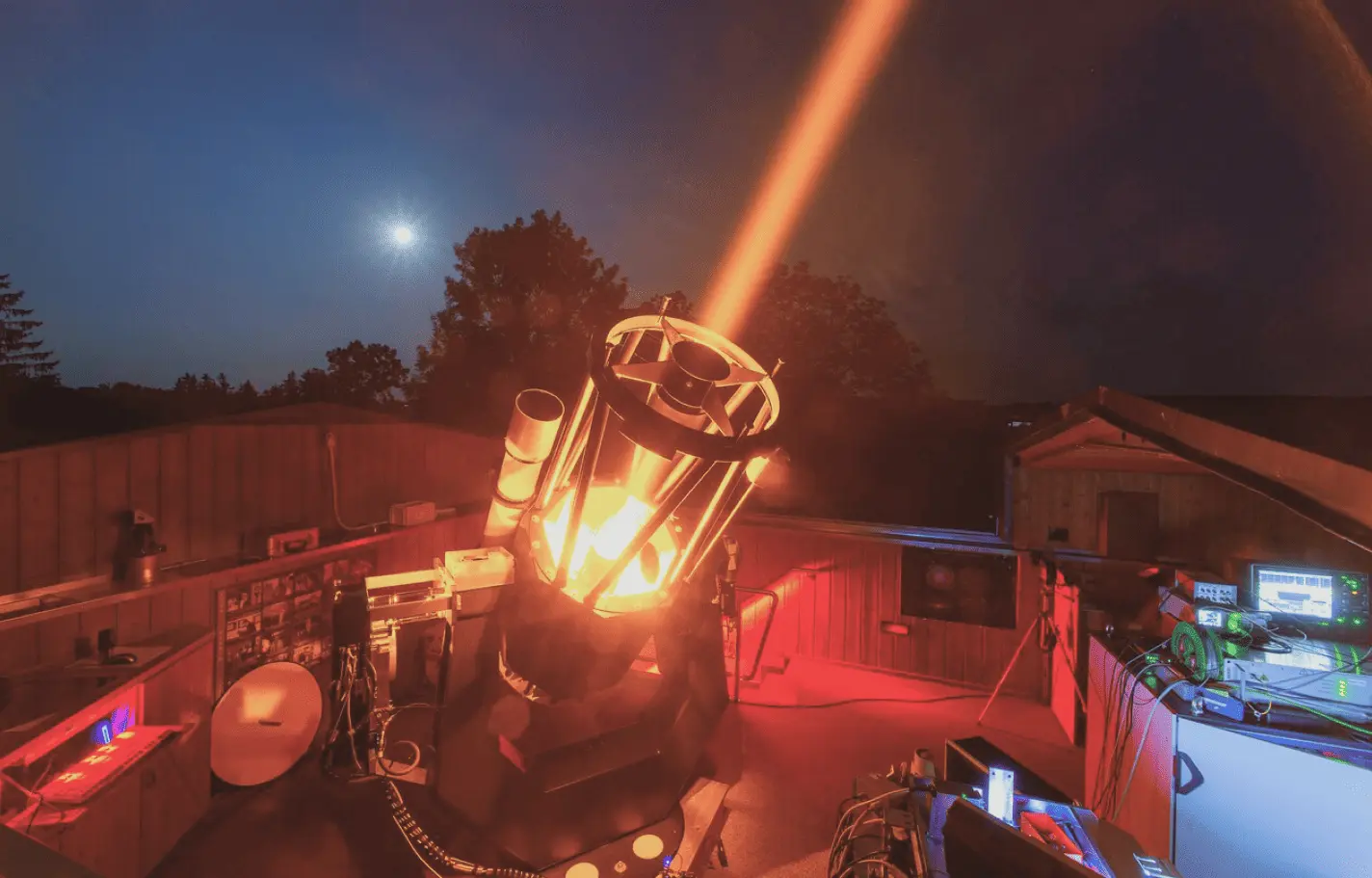
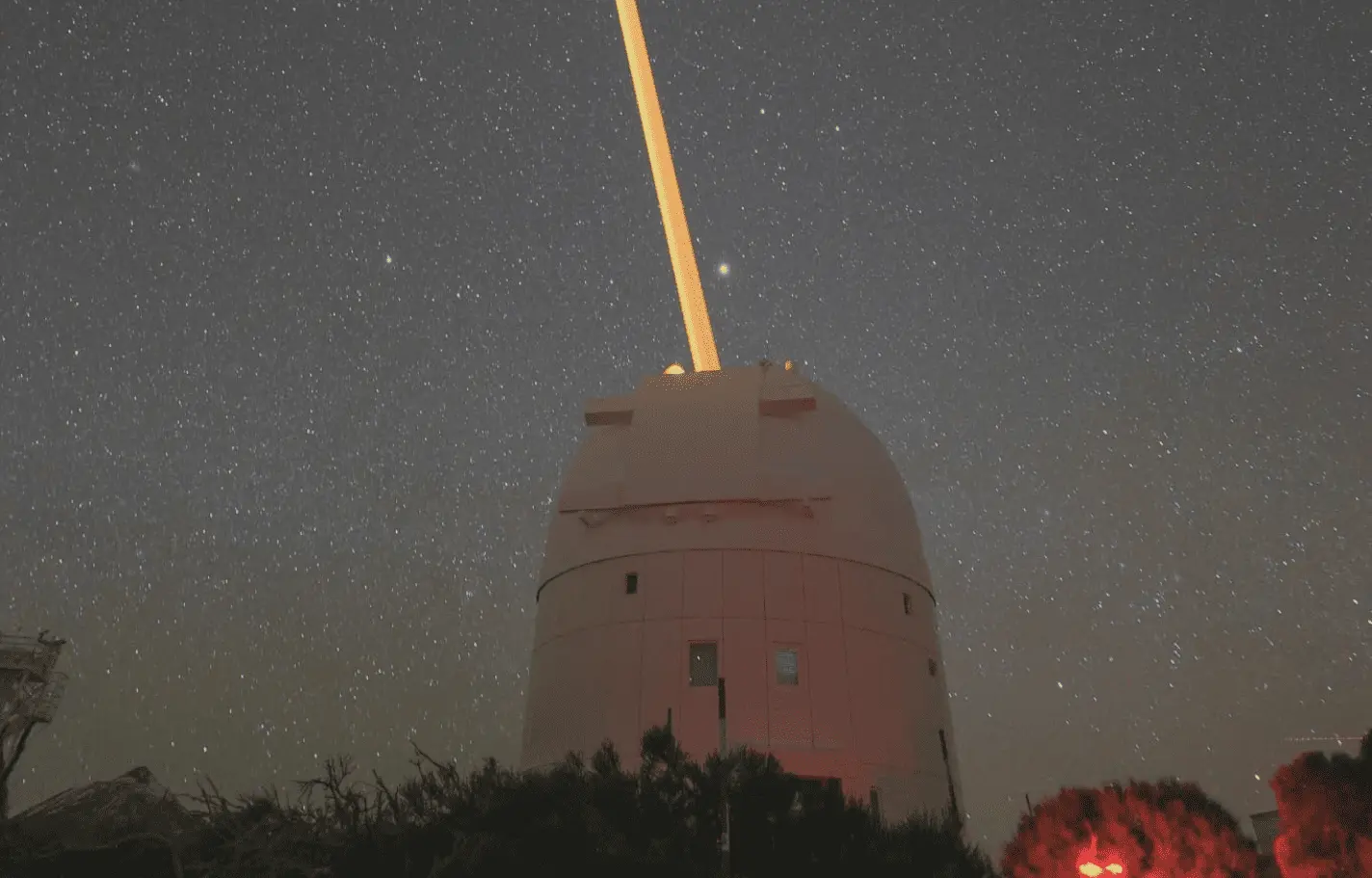
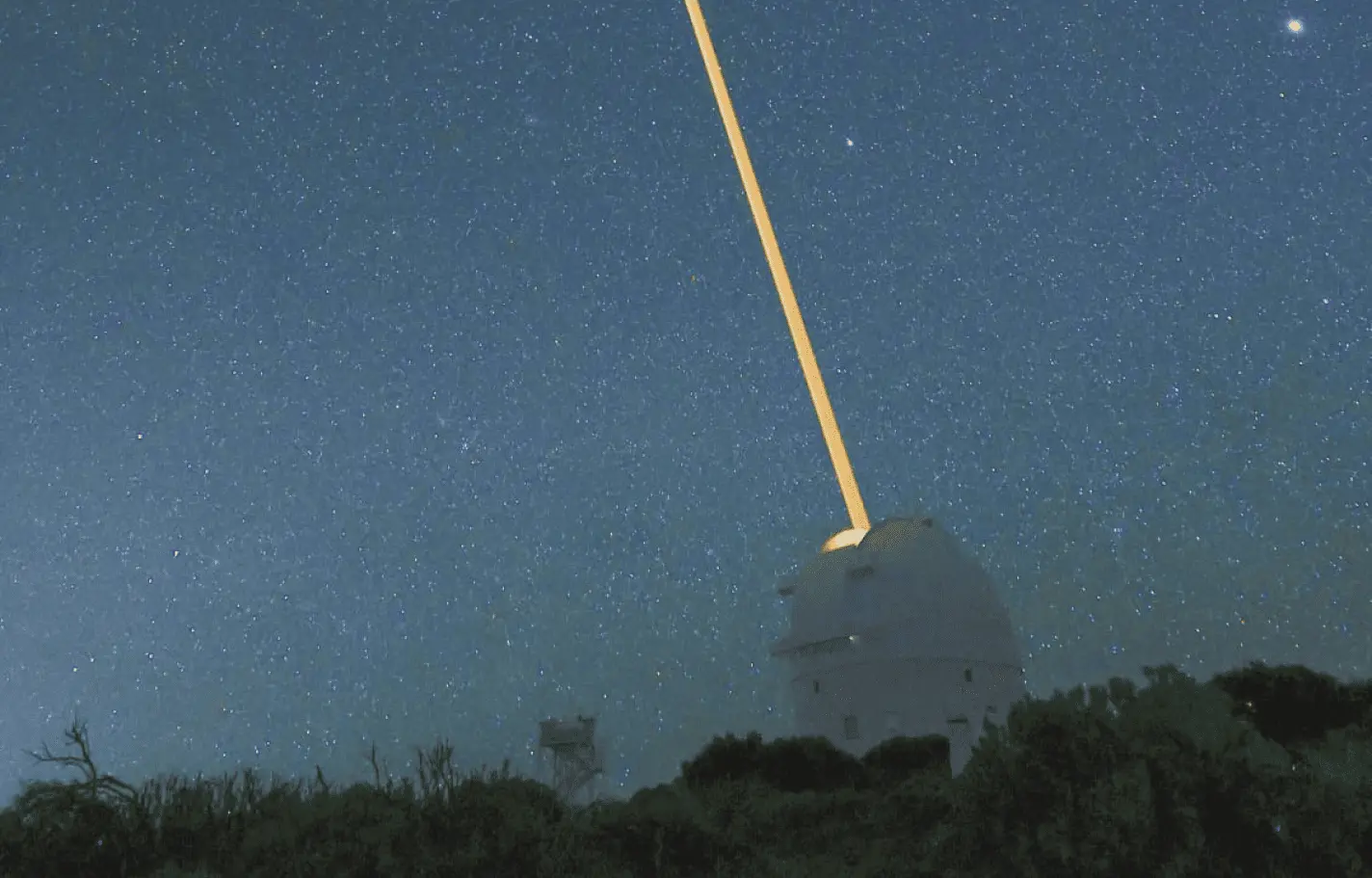
The ALASCA project is focused on the development of a high-performance optical communication link between an Optical Ground Station (OGS) and geostationary communication satellites. The initiative aims to establish a fully integrated TRL6 Optical Feeder Link (OFL) test facility at ESA’s Optical Ground Station in Tenerife, based on advanced Laser Guide Star Adaptive Optics (LGS-AO) technology and designed for continuous 24/7 operations.The system demonstration will be performed using the Alphasat geostationary satellite, validating the reliability, stability, and efficiency of optical satellite communications under real operational conditions.Through the integration of adaptive optics, high-power laser technologies, and flexible wavefront sensing architectures, ALASCA GEO represents a major step toward next-generation optical communication infrastructures for space applications.The project relies on the backbone of the ESO-ESA CaNaPy project aiming to develop advance LGS techniques for astronomical observations.
microgate responsibilities
Microgate is responsible for the design, development, and implementation of the adaptive optics control system, as well as the finalization of the real-time software. Our scope also includes optical design activities, on-site system integration, commissioning support, and assistance during testing and validation activities at the observatory.