Agility
The bridge between rehabilitation and Return to Play
Rehabilitation
Introduction




Examples of configurations:
flexible and customizable
Recovering agility in rehabilitation means progressively rebuilding motor control, reactivity and decision-making in response to unpredictable stimuli. It is fundamental to objectify symmetry and stability, introduce progressive direction changes and reintegrate the cognitive-perceptual component into the return to play pathway.
Contact Us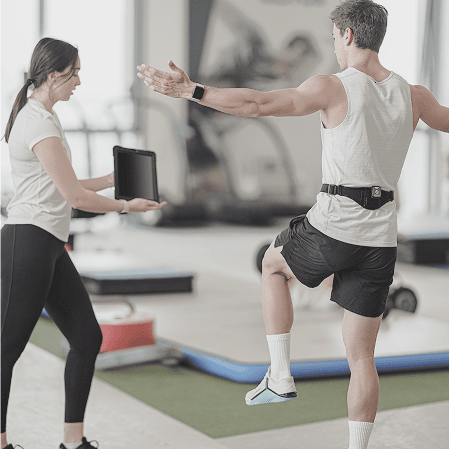
Configuration 1
Building the foundations: control and symmetry
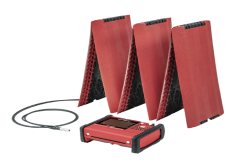
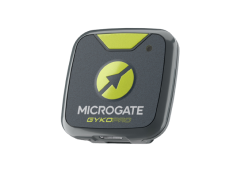
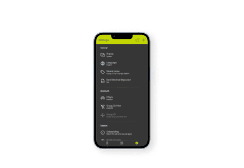
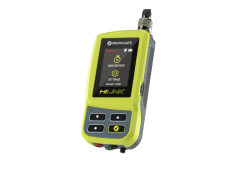
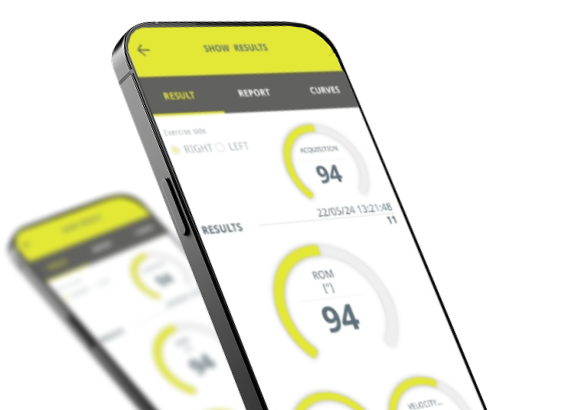
GykoPro allows assessing joint symmetry and postural stability: fundamental parameters to identify deficits associated with relapse risk. Static and dynamic single-leg tests allow monitoring patient evolution throughout the rehabilitative pathway, providing objective criteria to guide progression.
Configuration 2
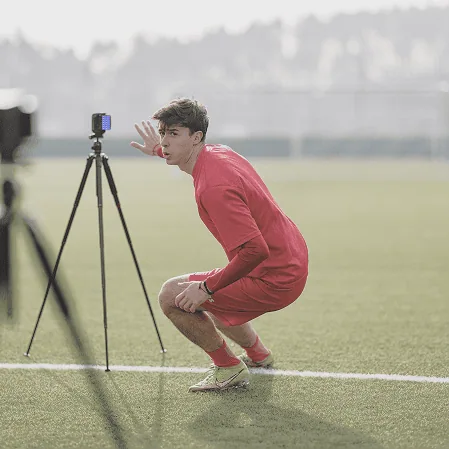
Training reactivity: progressive direction changes
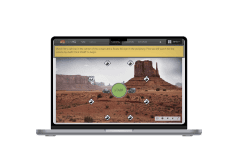
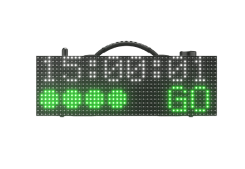
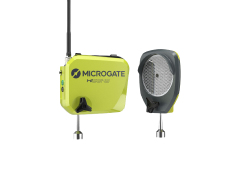
WittyPro SEM introduces random directional stimuli to rebuild the ability to react to unpredictable situations. Stimulus complexity and execution speed increase progressively and in a controlled manner, gradually bringing the athlete closer to the demands of the competition context.
Configuration 3
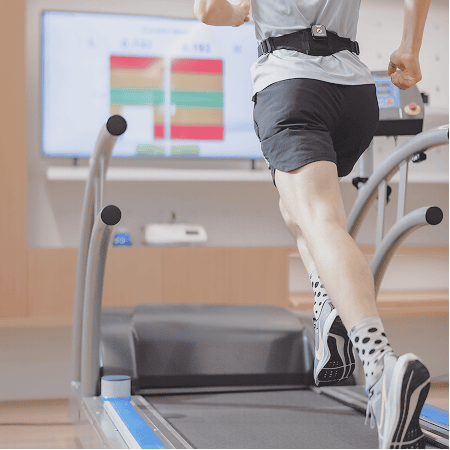
Validating performance: movement quality and functional analysis
Optogait analyses movement efficiency and any asymmetries even under fatigue conditions, providing objective data on motor movement quality. Integration with GykoPro allows a combined assessment of postural control and functional capacity, supporting evidence-based clinical decisions.
Products suited
for this field of application
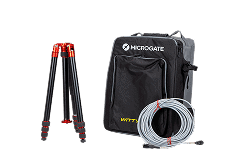
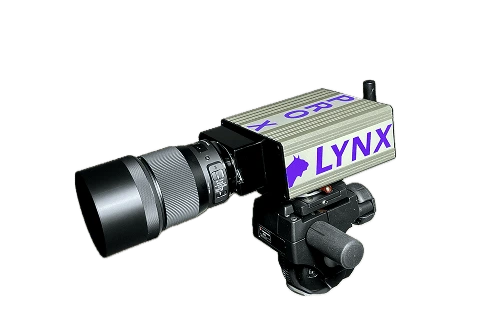
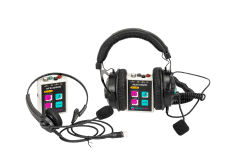
GykoPro assesses symmetry and stability. OptoGait analyses movement quality and functional asymmetries. WittyPro SEM introduces progressive cognitive-motor stimuli to rebuild reactivity and decision-making. Witty Timing measures sprint and direction change times objectively and repeatably.