Cognitive Training and Executive Functions
The mind at the centre of rehabilitation
Rehabilitation
Introduction




Examples of configurations:
flexible and customizable
Training cognitive functions in rehabilitation means acting on neuronal plasticity to recover attention, working memory and decision speed. The goal is to progressively stimulate executive functions, integrating brain training, functional movement and dual task in clinical and neurorehabilitative contexts.
Contact Us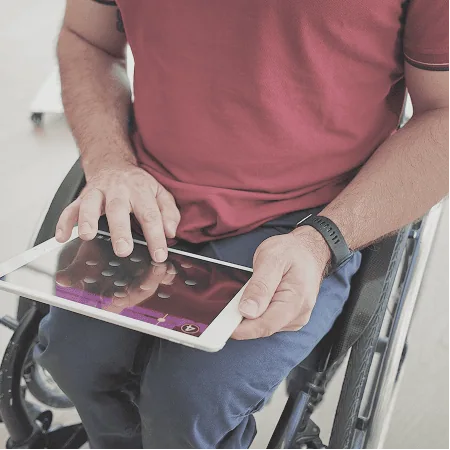
Configuration 1
Training basic cognitive functions
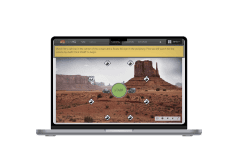
Adaptive and scientifically validated exercises with BrainHQ, usable on tablet, PC or smartphone, allow stimulating attention, working memory, processing speed and cognitive flexibility in a controlled environment.
Configuration 2
Integrating cognition and movement
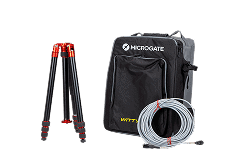
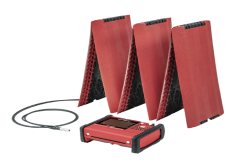
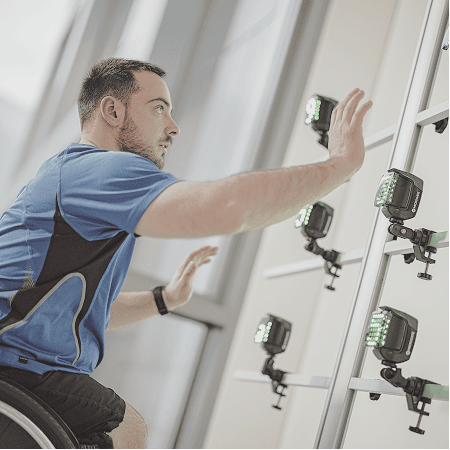
With WittyPro SEM, visual and cognitive stimuli are combined with structured motor responses. This approach is particularly useful in patients with Parkinson's, multiple sclerosis or head trauma outcomes, where
dual tasking represents a daily challenge. The system measures precision and response times, allowing objective progress monitoring.
Configuration 3
Training dual task under functional conditions
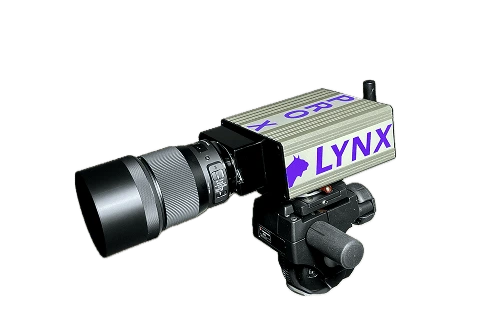
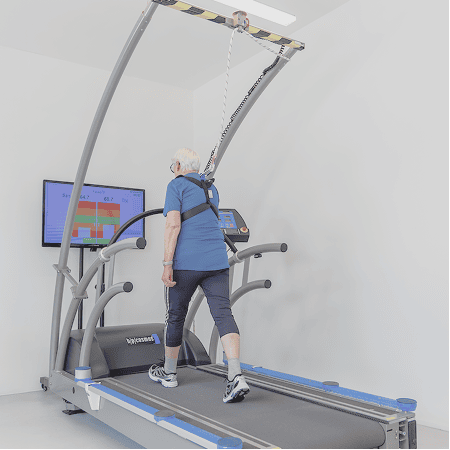
The patient performs a motor task, such as walking or light running, while receiving targeted cognitive stimuli. OptoGait monitors gait spatiotemporal parameters in real time, highlighting the impact of cognitive load on movement quality. An effective approach to simulate real-life demands and improve autonomy and safety.
Products suited
for this field of application
BrainHQ stimulates attention, memory and decision speed with validated adaptive protocols. WittyPro SEM integrates cognitive exercises with motor responses in dynamic contexts. OptoGait monitors movement quality in dual task, providing objective data on the interaction between cognitive load and motor performance.