Joint Mobility
ROM and control in service of performance
Training
Introduction




Examples of configurations:
flexible and customizable
Shoulder, hip and ankle are the main pivots of the body, fundamental in the management and transmission of forces during movement. Monitoring ROM, stability and control of these joints allows optimising performance, preventing
injuries and improving the efficiency of athletic movement.

Configuration 1
Shoulder
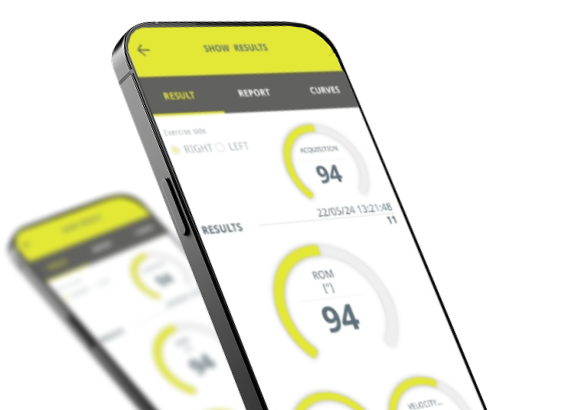
Flexion, abduction and internal and external rotation tests allow assessment of ROM, fluidity and shoulder control. Fundamental in throwing sports, swimming and martial arts, where mobility and stability influence precision and strength. GykoPro measures angles, speed and symmetries, highlighting limitations and supporting prevention and improvement protocols.
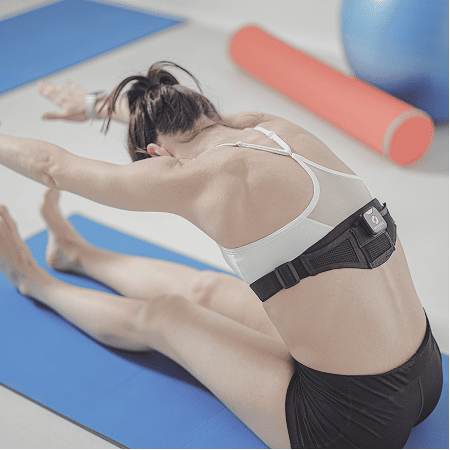
Configuration 2
Hip
Assessment of hip flexion, extension, abduction, adduction and rotations, essential for running, football and sports with direction changes. Hip mobility affects posture, pelvic stability and force transfer to the lower limbs. With GykoPro it is possible to monitor angles, speed and movement fluidity, identifying restrictions and guiding targeted training.
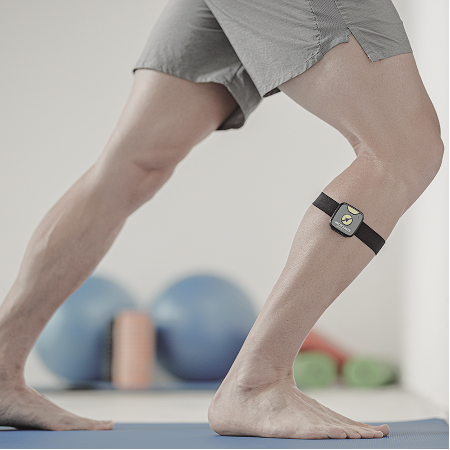
Configuration 3
Ankle
Dorsiflexion, plantarflexion, inversion and eversion tests allow assessment of ankle ROM and stability. A key joint for balance, reactivity and sprain prevention in speed and jumping sports. GykoPro records ROM, speed and segmental control, detecting asymmetries and supporting targeted preventive interventions.
Products suited
for this field of application
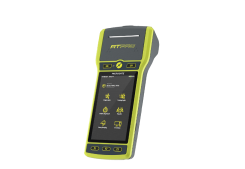
Gyko Pro is a portable inertial system that measures ROM, speed and fluidity of movement in any joint. Easy to position on shoulder, hip or ankle, it provides objective data to assess progress, correct deficits and optimise training and rehabilitation programmes, making mobility measurable and repeatable.