Careers

Support

Contact

Tempi di reazione

Reactivity and readiness on the recovery pathway  

Rehabilitation

Introduction

Reaction time is the interval required to respond to a stimulus and is a fundamental ability in sport and daily life. In the athletic context, a few milliseconds can make the difference: a goalkeeper reacts to a penalty, a runner starts at the gun, a boxer dodges a punch. Reaction time depends on age, fitness, fatigue, type of stimulus and level of cognitive processing. Unlike reflexes, which are automatic and mediated by the spinal cord, reaction time involves cortical processes and the coordinated activation of multiple muscle groups, integrating visual, auditory and proprioceptive stimuli. Training it means improving readiness, precision and response ability in complex situations. Solutions such as Witty SEM, OptoJump Next e BrainHQ allow targeted training and monitoring of reaction time, combining cognitive stimuli, motor tasks and progressive protocols in contexts close to real competition demands.

01
Stimolo
02
Elaborazione Cognitiva
Attenzione selettiva, velocità di processing, memoria di lavoro
03
Decisione
Selezione della risposta ottimale in tempo reale
04
Risposta Neuromuscolare
Attivazione muscolare coordinata e pianificazione motoria
Movimento
01
Stimulus
02
Cognitive Processing
Selective attention, processing speed, working memory
03
Decision
Selection of the optimal response in real time
04
Neuromuscular Response
Coordinated muscle activation and motor planning
Movement
01
Reiz
02
Kognitive Verarbeitung
Selektive Aufmerksamkeit, Verarbeitungsgeschwindigkeit, Arbeitsgedächtnis
03
Entscheidung
Auswahl der optimalen Antwort in Echtzeit
04
Neuromuskuläre Reaktion
Koordinierte Muskelaktivierung und motorische Planung
Bewegung

[1] Theofilou, G., et al. "The effects of a visual stimuli training program on reaction time, cognitive function, and fitness in young soccer players." Sensors 22.17 (2022): 6680.

[2] Surkar, S.M., et al. "Effects of dual-task training on cognitive-motor learning and cortical activation: a non-randomized clinical trial in healthy young adults." PLoS One (2025). doi: 10.1371/journal.pone.0322036.

[3] Tompkins, M.A., et al. "Advanced neuromuscular training differentially changes performance on visuomotor reaction tests and single-leg hop tests in patients with ACL reconstruction." Int. J. Sports Phys. Ther. 19.11 (2024): 1324–1332.  

Examples of configurations:
flexible and customizable

Recovering reactivity after an injury or in the presence of neurological deficits means working on the entire neuromuscular chain, from stimulus perception to motor response. It is useful to progressively train and monitor reaction times, combining cognitive stimuli and motor tasks.  

Contact Us
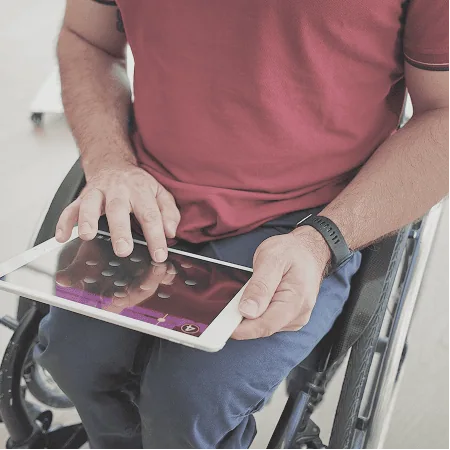
Configuration 1

Training response speed

Adaptive exercises with BrainHQ targeting selective attention, processing speed and working memory.
Particularly indicated for patients with neurological conditions, head trauma outcomes or cognitive decline, where response slowness often represents the main deficit. Protocols adapt to the patient's level and monitor their progress over time.
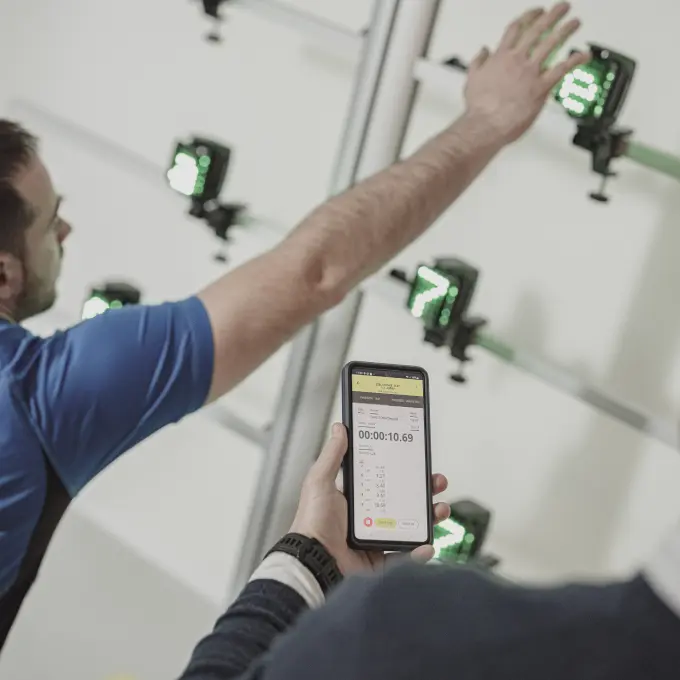
Configuration 2

Integrating decision and movement

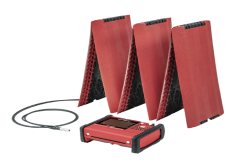
With Witty SEM, visual or numerical stimuli of increasing difficulty are paired with motor responses. The system records response times and precision, allowing reactivity assessment in dynamic contexts. A particularly useful approach in the advanced Return to Play phase, to rebuild decision readiness under conditions increasingly similar to competition.
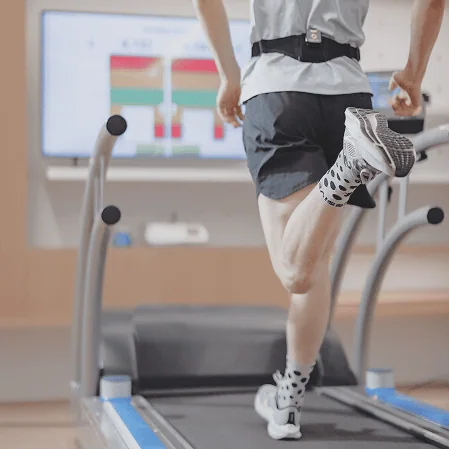
Configuration 3

Applying reactivity in functional contexts.

Tests with visual or auditory stimulus during walking or treadmill running. Optogait records variations in spatiotemporal parameters in response to the stimulus, assessing how reactivity integrates with movement control.  

Products suited for this field of application

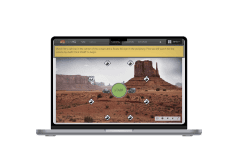
BrainHQ trains the main cognitive functions with validated adaptive protocols. Witty SEM allows developing progressive and customisable cognitive-motor exercises. Optogait integrates the physical and reactive component, objectively measuring the impact of stimuli on movement parameters.
Cables, bags, tripods and more

Accessories

Training platform

Cognitive training

RFID chips and transponders

Identification Systems

Cameras and accessories

Photo Finish

Inertial system

Motor Evaluation

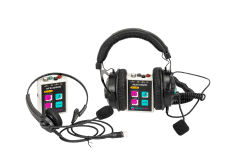
Headsets and intercom

Communication Systems

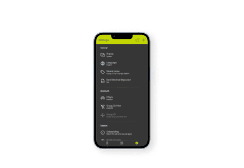
Cloud-based timing

Software Applications

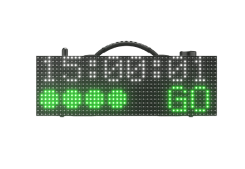
Starting light

ScoreboardsStarting Systems

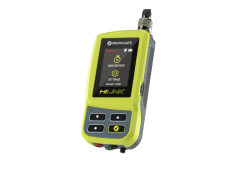
Radio transmission system

Radio SystemsTiming Device

Professional photocell

Photocells

OUR COMPOSITE SYSTEMS

Rehab Lab

The Microgate portable laboratory offers a comprehensive solution to evaluate and support rehabilitation pathways and adapted motor activity. It integrates GYKO Pro for strength, balance and mobility, Optogait for the analysis of walking, running and functional movements, and WITTy SEM for agility exercises and cognitive stimuli. It enables real-time monitoring and immediate feedback, helping physical therapists and providers identify compensations, asymmetries, and weaknesses, guiding movement reprogramming and planning personalized and safe training programs.

Download PDF

Real-time movement control

Turn every exercise into immediate and measurable feedback.

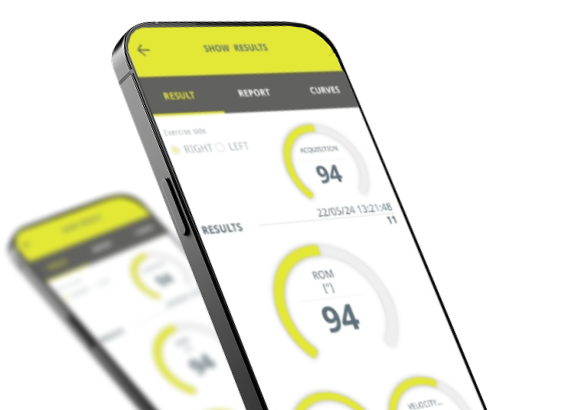
With ProMove and Microgate systems, you can monitor motor and biomechanical parameters in real time, analyzing data, asymmetries, and progress in a simple and intuitive way.
Configure personalized sessions for training, functional recovery, and neuromotor rehabilitation directly from your smartphone or tablet.

OTHER AREAS OF APPLICATION FOR REHAB